Introduction
Facilities that handle or use sources of ionizing radiation have a responsibility to ensure that they are prepared for potential emergencies. As per Section 59 of the Atomic Energy Act no. 24 of 2008, the prime responsibility for the safety of a radiation source, including during emergency situations, is vested in the person who is authorized to possess and use the source. However, the Atomic Energy Council has the role to assist in emergency responses to radiological incidents and to initiate, recommend or provide support on intervention relating to radiological emergencies, as may be appropriate according to Section 9 (k) and (l) of the Atomic Energy Act no. 24 of 2008.
Overview of nuclear and radiological emergencies
A radiation emergency is a situation requiring immediate attention because there is, or is perceived to be, a hazard due to radiation exposure from a nuclear or radiological incident. Radiation emergencies can be caused by a variety of factors, including accidents or intentional actions that result in the release of radioactive materials beyond safe limits. Negligence and incompetence, such as failure to properly handle or store radioactive sources, or unjustifiable exposure of people to radiation during medical procedures, can also lead to radiation emergencies. Additionally, intentional criminal actions, including theft, deliberate damage, or sabotage of radiation sources, can result in radiation emergencies. In severe cases, terrorists may use radioactive material in improvised explosive devices or contaminate public facilities and the environment on a large scale.
Additionally, natural disasters like flooding or fire at storage facilities can cause radiation emergencies. Excavations like mines can also lead to elevated levels of radiation from natural occurring radioactive material (NORM) such as radon gas, which is one of the leading causes of lung cancer. In some cases, nuclear emergencies could occur due to the fall of a satellite from space into a country’s territory or nuclear accidents in other countries that may release fumes into the affected country’s airspace or contaminate products coming into the country from affected areas.
Potential consequences and impacts of nuclear and radiological accidents
Normal occupational or medical exposures to ionizing radiation are not of great concern as the benefits outweigh the effects and the exposures are controlled or monitored. However, during incident or emergency situations, the exposures may exceed safe levels and turn hazardous.
The potential consequences and impacts of nuclear and radiological emergencies can be severe. In the short term, people in the vicinity of the incident may suffer from exposure to external radiation and inhalation of radioactive particles, leading to sickness and potentially death. In the long term, radiation hazards can result from the consumption of contaminated food and external exposure to contaminated soil. Radiation exposure can also lead to latent cell changes that may result in cancer or hereditary effects.
Apart from the health consequences, nuclear and radiological accidents can have significant economic impacts on industrial production, trade, tourism, and food production. The costs of clean-up can be substantial, and items that cannot be decontaminated must be disposed of at designated locations. There can also be psychosocial consequences arising from protective measures implemented, such as fear and depression. The economic and social impacts of the Goiania and Chernobyl incidents demonstrate the long-lasting and far-reaching effects of nuclear and radiological emergencies.
Response to radiological emergencies
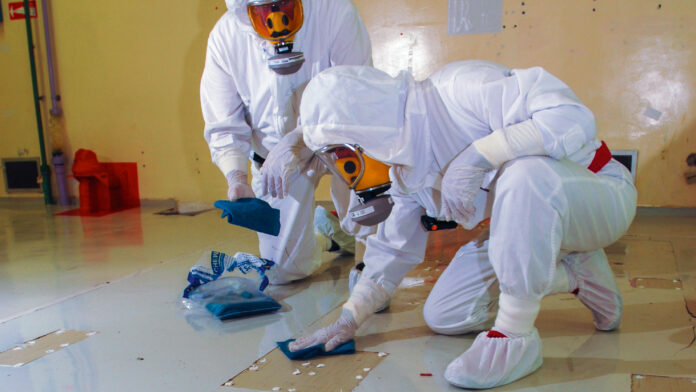
Having proper safety measures in place, including adequate security measures, regular maintenance, and adherence to safety protocols, can prevent radiation emergencies. In the event of a radiation emergency, the immediate response should prioritize the safety of the public and first responders, contain the source of radiation, and assess the extent of contamination. Emergency plans and procedures, as well as training and education for personnel and the public, are crucial in minimizing the impact of a radiation emergency on human health and the environment.
Responsibilities in emergency preparedness and response
According to Section 59 of the Atomic Energy Act no 24 of 2008 the person who is authorised to possess and use the radiation sources;
- has the prime responsibility for the safe operation, protection and safety of radiation facilities or installations and safe management of radiation sources during a nuclear and radiological emergency;
- shall ensure that an emergency plan appropriate for the source and its associated risks is prepared and is kept operational (simulated and drilled regularly);
- is responsible for taking protective actions required for the protection of occupationally exposed workers and members of the public during response radiation emergencies.
The Atomic Energy Council’s statutory role is to assist in emergency responses and to initiate, recommend or provide support on intervention relating to radiological emergencies as provided under Section 9(1)(k) &(l) of the Atomic Energy Act no. 24 of 2008.
In view of this, the authorised person is required to report to the Council, as soon as possible, but not later than forty-eight hours after the occurrence of a radiological incident at the facility including the impact of the incident and mitigation measures undertaken in line with Section 50 of the Act.
Framework for Preparedness and Response to Radiation Emergencies in Uganda
In order to ensure appropriate incident management and assistance to facilities during emergency situations, the country has made efforts towards ensuring readiness for incidents that escalate into emergencies. And because such incidents present a multifaceted hazard environment, they require the contributions of many different specialists including medical, law enforcement, security, radiation protection, environmental management, livelihood and recovery, communication, forensics and many others.
Since no single institution has all the required capabilities, interagency coordination is critical in incident management. One platform that facilitates this coordination is the Radiological Emergency Response Committee.
The RERC was established under the Ministry of Energy and Mineral Development to facilitate interagency coordination during nuclear and radiological emergency situations. Its activities are coordinated by the Atomic Energy Council.
The committee’s responsibility is to design effective, realistic, and coordinated plans aimed at reducing duplication of efforts and increasing the overall effectiveness of government ministries, departments, and agencies towards radiological emergency preparedness and response efforts. Its statutory functions include developing and preparing a national emergency preparedness and response plan and ensuring that arrangements are in place for a timely, managed, controlled, coordinated, and effective response at the scene and at the local, regional, national, and international level to any nuclear and radiological emergency.
The committee, with support from the Atomic Energy Council, has been engaged in a number of preparedness activities ranging from developing national response plans and procedures, personnel training, mobilizing resources including equipment, and creating public awareness on activities related to emergency response.
The following framework documents particularly describe the efforts made:
- Nuclear and Radiological Hazard Assessment for Uganda
- National Nuclear and Radiological Emergency Response Plan (NNRERP)
- Institutional Standard Operating Procedures (SOPs) for Response to Radiation Emergencies
The members of the RERC include the Secretary of the Atomic Energy Council and a representative from each of the following: the Ministry of Health, Ministry responsible for Information, Ministry responsible for Disaster Preparedness, National Environment Management Authority, Uganda People’s Defense Forces, the Uganda Police Force, Uganda Prisons Service, and the International Committee of the Red Cross.
Conclusion
Nuclear and radiological incidents are relatively rare but can become disastrous when not adequately prepared for. Effective and commensurate facility and national nuclear and radiological emergency preparedness and response capabilities and arrangements are essential in minimizing the impacts from such incidents so as to build public trust in the safety and security of nuclear technology. Facilities that handle or use sources of ionizing radiation have a responsibility to ensure that they are prepared for potential emergencies. Having proper safety measures in place, including adequate security measures, regular maintenance, and adherence to safety protocols, can prevent radiation emergencies. Proper emergency plans and procedures, as well as training and education for personnel and the public, are crucial in minimizing the impact of a radiation emergency.
Report a Radiation Incident
If you suspect that an incident or an accident may have involved a radioactive material, please report to the nearest police station and to the Atomic Energy Council on the contacts provided below. Stay as far away from the scene of the incident as possible.
Atomic Energy Council,
Plot 40, Bukoto Street,
P.O Box 7044,
Kampala.
Tel: +256-417 101700
Toll free: 0800100488
Website: www. atomiccouncil.go.ug
Email: admin@atomiccouncil.go.ug