


The Atomic energy council was established under section 3 of the Atomic Energy Act Cap. 154 as the cooperate body mandated to, inter alia, regulate peaceful applications of ionizing and non-ionizing radiation and provide for the protection and safety of individuals, society and the environment from the dangers resulting from ionizing radiation. This mandate is fulfilled through the enforcement of compliance requirements in accordance with international safety standards. Overseeing regulatory functions such as development of regulations, review & assessment of applications, inspections & enforcement and issuance of authorization. Future projects in Uganda include the regulation of Nuclear Power Plant and research reactor as Uganda prepares to integrate Nuclear Power in the Energy Mix under Vision 2040.


Our Core Values
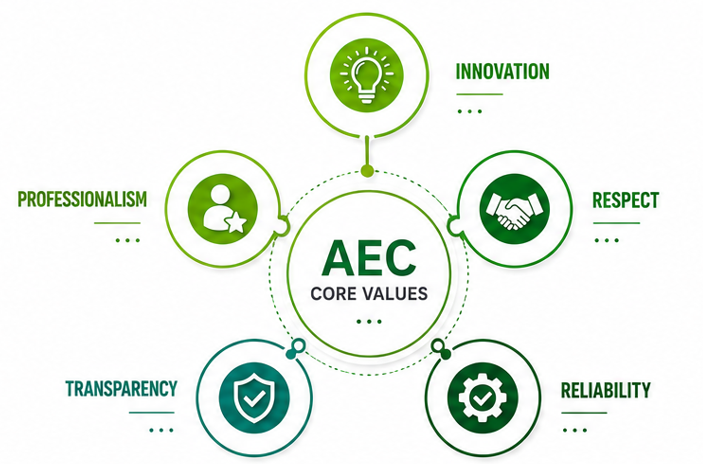
The Council’s operations are guided by five core values that define the organization’s culture and approach to service delivery:-
Professionalism. The Council executes its responsibilities with high ethical standards, maintaining safety and security in all operations while demonstrating technical competence and integrity.
Transparency. The Council operates with honesty, trustworthiness, and accountability in its public stewardship role, ensuring open communication and accessible information sharing with stakeholders.
Innovation. The Council continuously seeks improved and efficient methods of delivering excellence in all activities, embracing new technologies and approaches to enhance service delivery.
Respect. The Council demonstrates courtesy and consideration for diverse stakeholders.
Reliability. The Council maintain reliability, efficiency and, dependability in all actions, ensuring consistent and predicable delivery of service to stakeholders.

Our Mandate
The core mandate of the Atomic Energy Council is to regulate the peaceful application and management of ionizing radiation for the protection and safety of society and the environment, provide for the regulation of the development of nuclear energy for use in power generation in compliance with international safety requirements and advise government and other agencies on matters within its competence.
Our Client Charter
The AEC Client Service Charter represents our pledge to regulate peaceful applications of Atomic Energy in Uganda. Within this Charter, we define the regulatory framework for Nuclear Safety, Nuclear Security, and Safeguards in which our clients operate. The Client Service Charter outlines the rights and responsibilities of AEC Clients and the procedure to follow.